Thursday, January 28, 2021

Free Beginner Piano Sheet Music for Kids

After a very long time — with hits such as "Orilonise", "Fuji Disco/Iku Baba Obey", "Oke Agba", "Aye", and "Suuru" — he changed the group's name to "Supreme Fuji Commanders". Yoruba music has become the most important component of modern Nigerian popular music, as a result of its early influence from European, Islamic and Brazilian forms. These influences stemmed from the importation of brass instruments, sheet music, Islamic percussion and styles brought by Brazilian merchants. In both the Nigeria's most populous city, Lagos, and the largest city of Ibadan, these multicultural traditions were brought together and became the root of Nigerian popular music. 9ice is one of many that broke into the industry with Gongo Aso and many more artist followed. UK based saxophonist Tunday Akintan created yorubeat based on Yorùbá rhythms.

Among the Hausa, children play a unique instrument in which they beat rhythms on the inflated stomach of a live, irritated pufferfish. In the early 1980s, both Obey and Ade found larger audiences outside of Nigeria. In 1982, Ade was signed to Island Records, who hoped to replicate Bob Marley's success, and released Juju Music, which sold far beyond expectations in Europe and the United States. Obey released Current Affairs in 1980 on Virgin Records and became a brief star in the UK, but was not able to sustain his international career as long as Ade. Ade led a brief period of international fame for jùjú, which ended in 1985 when he lost his record contract after the commercial failure of Aura and his band walked out in the middle of a huge Japanese tour. Ade's brush with international renown brought a lot of attention from mainstream record companies, and helped to inspire the burgeoning world music industry.

‘Awards Chatter’ Podcast — James Gray (‘Armageddon Time’)

Ensembles of clay pots beaten with a soft pad are common; they are sometimes filled with water. Although normally tuned, untuned examples are sometimes used to produce a bass rhythm. Hollow logs are also used, split lengthways, with resonator holes at the end of the slit. Prefiguring, popularized by the famous Nigerian soundtrack producer Stanley Okorie, utilizes motifs and repetitive tunes to foreshadow dialogue and major plot events before they happen on screen.
home for the holidays piano sheet music free

Traditional Nigerian theatre includes puppet shows in Borno State and among the Ogoni and Tiv, and the ancient Yoruba Aláàrìnjó tradition, which may be descended from the Egúngún masquerade. With the influx of road-building colonial powers, these theatre groups spread across the country and their productions grew ever more elaborate. They now typically use European instruments, film extracts and recorded music. Safe Exam Browser is a webbrowser-environment to carry out online-exams safely. It regulates the access to any utilities and prevents students from using unauthorised resources.

International Music Score Library Project

Whether you're planning a Christmas concert or want to play some live music for your family, free printable Christmas sheet music makes it easy to learn all your favorite Christmas carols. Look online for public domain Christmas songs, which typically include anything published before 1922 and will be free. We've listed some of our best easy piano pieces below including well known traditional pieces, hymns, classical pieces, and originals written specifically for early elementary through early intermediate students. Fela Kuti began performing in 1961, but did not start playing in his distinctive Afrobeat style until his exposure to Sierra Leonean Afro-soul singer Geraldo Pino in 1963. Although Kuti is often credited as the only pioneer of Afrobeat, other musicians such as Orlando Julius Ekemode were also prominent in the early Afrobeat scene, where they combined highlife, jazz and funk.
home for the holidays piano sheet music free

Sowande was one of the first and most famous African composers in the Western classical tradition, and founder of the Nigerian art music tradition. Sowande was also an organist and jazz musician, incorporating these and elements of Nigerian folk music into his work. Echezonachukwu Nduka is poet and pianist, specializing in piano music by African and African-descent composers. Apala, a traditional style from Ogun state, one of the Yoruba states in Nigeria, became very popular in the 1960s, led by performers including Haruna Ishola, Sefiu Ayan, Kasumu Adio, and Ayinla Omowura.

View all Late Elementary piano sheet music.

These artists, along with Tunde King, established the core of the style which was called jùjú, and remained one of the most popular genres in Nigeria throughout the 20th century. Some Jùjú musicians were itinerant, including early pioneers Ojoge Daniel, Irewole Denge and the "blind minstrel" Kokoro. One of the most common types is a notched stick, played by dragging a shell across the stick at various speeds. It is used both as a women's court instrument and by children in teasing games. Rattles are common, made of gourds containing seeds or stones are common, as are net-rattles, in which a string network of beads or shells encloses a gourd. Rattles are typically played in ritual or religious context, predominantly by women.

Drums of many kinds are the most common type of percussion instrument in Nigeria. They are traditionally made from a single piece of wood or spherical calabashes, but have more recently been made from oil drums. The hourglass drum is the most common shape, although there are also double-headed barrel drums, single-headed drums and conical drums. Frame drums are also found in Nigeria, but may be an importation from Brazil. The xylophone is a tuned idiophone, common throughout west and central Africa. In Nigeria, they are most common in the southern part of the country, and are of the central African model.

The Hausa play percussion instruments such as the tambora drum and the talking drum. The most impressive of the Hausa state instruments, however, is the elongated state trumpet called Kakaki, which was originally used by the Songhai cavalry and was taken by the rising Hausa states as a symbol of military power. Kakaki trumpets can be more than two metres long, and can be easily broken down into three portable parts for easy transportation. By the start of the 20th century, Yoruba music had incorporated brass instruments, written notation, Islamic percussion and new Brazilian techniques, resulting in the Lagos-born palm-wine style.
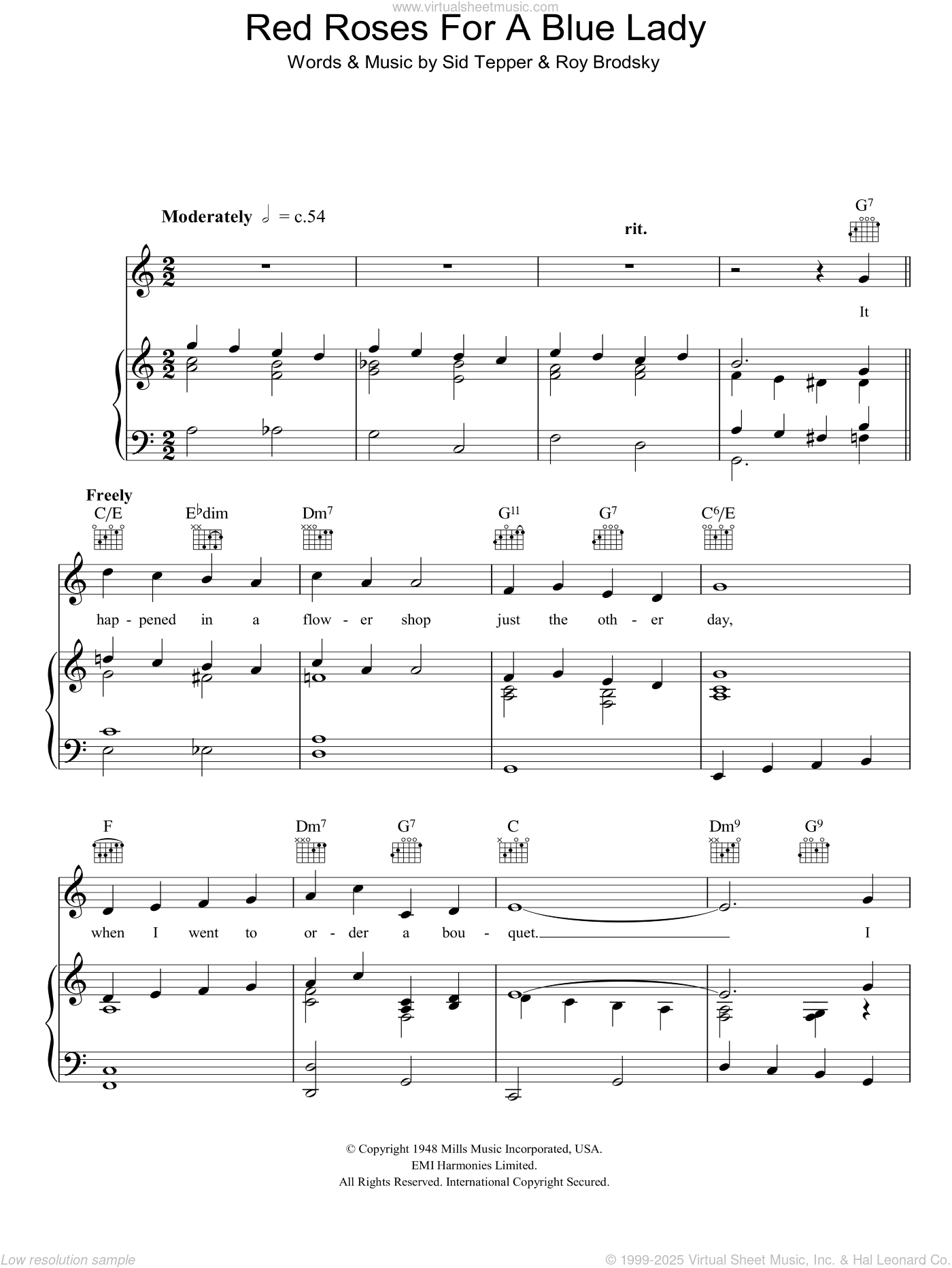
home for the holidays piano sheet music free

The African Caribbean fusion is one that has been popular and growing over the years, especially in the 21st century. In this genre of music African musicians incorporate Jamaican patois into their lyrics and beats. This genre of music is gaining far more presence in Nigeria with recent 21st-century artists such as Duncan Mighty, Timaya, Slim Burna, Orezi, Burna Boy and Patoranking, who are attracting a younger audience. Among the Igbo people, Ghanaian highlife became popular in the early 1950s, and other guitar-band styles from Cameroon and Zaire soon followed.

Struck gourds, placed on a cloth and struck with sticks, are a part of women's music, as well as the bòòríí cult dances. Sometimes, especially in the north, gourds are placed upside-down in water, with the pitch adjusted by the amount of air underneath it. In the south-west, a number of tuned gourds are played while floating in a trough. Early television dramas in this era utilized folklore and songs from popular indigenous genres such as Nigerian highlife, as well as indigenous languages including Igbo, Yoruba, and so on.

home for the holidays piano sheet music free

The music required two or three talking drums , a rattle , thumb piano and a bell . Haruna Ishola was the most famous apala performer, and he later played an integral role in bringing apala to larger audiences as a part of fuji music. The Igbo people live in the south-east of Nigeria, and play a wide variety of folk instruments. They are known for their ready adoption of foreign styles, and were an important part of Nigerian highlife. The Igbo also play slit drums, xylophones, flutes, lyres, udus and lutes, and more recently, imported European brass instruments.

Free sheet music PIANO Classical Download PDF, MP3 & MIDI

Sowande was one of the first and most famous African composers in the Western classical tradition, and founder of the Nigerian art music tradition. Sowande was also an organist and jazz musician, incorporating these and elements of Nigerian folk music into his work. Echezonachukwu Nduka is poet and pianist, specializing in piano music by African and African-descent composers. Apala, a traditional style from Ogun state, one of the Yoruba states in Nigeria, became very popular in the 1960s, led by performers including Haruna Ishola, Sefiu Ayan, Kasumu Adio, and Ayinla Omowura.

These artists, along with Tunde King, established the core of the style which was called jùjú, and remained one of the most popular genres in Nigeria throughout the 20th century. Some Jùjú musicians were itinerant, including early pioneers Ojoge Daniel, Irewole Denge and the "blind minstrel" Kokoro. One of the most common types is a notched stick, played by dragging a shell across the stick at various speeds. It is used both as a women's court instrument and by children in teasing games. Rattles are common, made of gourds containing seeds or stones are common, as are net-rattles, in which a string network of beads or shells encloses a gourd. Rattles are typically played in ritual or religious context, predominantly by women.

Early Intermediate

These performers brought jùjú from the rural poor to the urban cities of Nigeria and beyond. Dairo became perhaps the biggest star of African music by the '60s, recording numerous hit songs that spread his fame to as far away as Japan. In 1963, he became the only African musician ever honoured by receiving membership of the Order of the British Empire, an order of chivalry in the United Kingdom. Children in Nigeria have many of their own traditions, usually singing games.

home for the holidays piano sheet music free

The leader of a dundun ensemble is the iyalu, who uses the drum to "talk" by imitating the tonality of Yoruba Much of Yoruba music is spiritual in nature, and is devoted to their God. Sell sheet music on your website and earn cash when you join our Affiliate Program at Sheet Music Plus. "For more than 20 years, we have been facilitating legal access to free sheet music. If you appreciate and use Free-scores.com, please consider making a donation." These classic pieces have been selected and organized for students from level 1 to 6.

Halloween Piano Sheet Music

Whether you're planning a Christmas concert or want to play some live music for your family, free printable Christmas sheet music makes it easy to learn all your favorite Christmas carols. Look online for public domain Christmas songs, which typically include anything published before 1922 and will be free. We've listed some of our best easy piano pieces below including well known traditional pieces, hymns, classical pieces, and originals written specifically for early elementary through early intermediate students. Fela Kuti began performing in 1961, but did not start playing in his distinctive Afrobeat style until his exposure to Sierra Leonean Afro-soul singer Geraldo Pino in 1963. Although Kuti is often credited as the only pioneer of Afrobeat, other musicians such as Orlando Julius Ekemode were also prominent in the early Afrobeat scene, where they combined highlife, jazz and funk.

Scrcpy is an application for displaying and controlling your Android device through USB connection (or over TCP/IP). It is cross-platform (GNU/Linux, macOS and Windows) and does not require any root access. Scrcpy displays only the device screen but offers great performance (30~60fps) and quality (1920×1080 or above).

'Tis the Season! Get 10% off orders of $10 or more with code MUSIC10!

After a very long time — with hits such as "Orilonise", "Fuji Disco/Iku Baba Obey", "Oke Agba", "Aye", and "Suuru" — he changed the group's name to "Supreme Fuji Commanders". Yoruba music has become the most important component of modern Nigerian popular music, as a result of its early influence from European, Islamic and Brazilian forms. These influences stemmed from the importation of brass instruments, sheet music, Islamic percussion and styles brought by Brazilian merchants. In both the Nigeria's most populous city, Lagos, and the largest city of Ibadan, these multicultural traditions were brought together and became the root of Nigerian popular music. 9ice is one of many that broke into the industry with Gongo Aso and many more artist followed. UK based saxophonist Tunday Akintan created yorubeat based on Yorùbá rhythms.

home for the holidays piano sheet music free

Spooky, moody, and perfect for that time of year when the leaves fall from the trees. Our collection of Halloween piano pieces will frighten and delight students young and old. In the 20th century, Nigeria produced a number of classical composers; these include Lazarus Ekwueme, Fela Sowande, Joshua Uzoigwe, Ayo Bankole, and Akin Euba.

Choral Music by Rosephanye Powell

Ishola, who was one of Nigeria's most consistent hit makers between 1955 and his death in 1983, recorded apala songs, which alternated between slow and emotional, and swift and energetic. His lyrics were a mixture of improvised praise and passages from the Quran, as well as traditional proverbs. The earliest styles of Nigerian popular music were palm-wine music and highlife, which spread in the 1920s among Nigeria and nearby countries of Liberia, Sierra Leone and Ghana. In Nigeria, palm-wine became the primary basis for jùjú, a genre that dominated popular music for many years. During this time, a few other styles such as apala, derived from traditional Yoruba music, also found a more limited audience. By the 1960s, Cuban, American and other styles of imported music were enjoying a large following, and musicians started to incorporate these influences into jùjú.

Starting the program, it loads the project but going into pages menu, the pages are still not displayed properly. Again, it started and stopped with the code editor failed and the redeemed successfully message. Going back to the extension menu and scrolling down to the bottom, there was an entry for the code editor extension with an update button. A lot of Canadians go abroad for dentistry because they can just write exams and return to Canada, but i'm not sure if citizenship would play a role there.

Major Appliances

In the 1980s, Afrobeat became affiliated with the burgeoning genre of world music. In Europe and North America, so-called "world music" acts came from all over the world and played in a multitude of styles. Fela Kuti and his Afrobeat followers were among the most famous of the musicians considered world music. The first stars of palm-wine had emerged by the 1920s, the most famous of whom was Baba Tunde King. By the early 1930s, British record labels such as His Master's Voice had started to record palm-wine, and more celebrities emerged, including Ojoge Daniel, Tunde Nightingale and Speedy Araba.

I haven't heard of anyone being able to go to the UK and return to Canada directly afterwards. Everybody has to start somewhere and there's no better place to start than the beginning. These are some of the duets, ensembes, and pieces with a teacher's part that we have available. These pieces are perfect for anyone with a solid foundation of piano education. Whether it's just around the corner or you're looking for some Christmas in July, we have a great collection of Christmas piano pieces for you to browse.

During this period, jùjú songs changed from short pop songs to long tracks, often over 20 minutes in length. Bands increased from four performers in the original ensembles, to 10 with IK Dairo and more than 30 with Obey and Ade. These include long trumpets, frequently made of aluminium and played in pairs or ensembles of up to six, often accompanied by a shawm.

home for the holidays piano sheet music free

Struck gourds, placed on a cloth and struck with sticks, are a part of women's music, as well as the bòòríí cult dances. Sometimes, especially in the north, gourds are placed upside-down in water, with the pitch adjusted by the amount of air underneath it. In the south-west, a number of tuned gourds are played while floating in a trough. Early television dramas in this era utilized folklore and songs from popular indigenous genres such as Nigerian highlife, as well as indigenous languages including Igbo, Yoruba, and so on.

Drums of many kinds are the most common type of percussion instrument in Nigeria. They are traditionally made from a single piece of wood or spherical calabashes, but have more recently been made from oil drums. The hourglass drum is the most common shape, although there are also double-headed barrel drums, single-headed drums and conical drums. Frame drums are also found in Nigeria, but may be an importation from Brazil. The xylophone is a tuned idiophone, common throughout west and central Africa. In Nigeria, they are most common in the southern part of the country, and are of the central African model.

home for the holidays piano sheet music free

Free Easy Piano Sheet Music

Following World War II, Tunde Nightingale's s'o wa mbe style made him one of the first jùjú stars, and he introduced more Westernised pop influences to the genre. During the 1950s, recording technology grew more advanced, and the gangan talking drum, electric guitar and accordion were incorporated into jùjú. Much of this innovation was the work of IK Dairo & the Morning Star Orchestra (later IK Dairo & the Blue Spots), which formed in 1957.

home for the holidays piano sheet music free

Many, such as the xylophone, are an integral part of music across West Africa, while others are imports from the Muslims of the Maghreb, or from Southern or East Africa; other instruments have arrived from Europe or the Americas. Brass instruments and woodwinds were early imports that played a vital role in the development of Nigerian music, while the later importation of electric guitars spurred the popularisation of jùjú music. The music of Nigeria includes many kinds of folk and popular music, styles of folk music are related to the multitudes of ethnic groups in the country, each with their own techniques, instruments, and songs.

Early level sheet music that's great for beginners.

I haven't heard of anyone being able to go to the UK and return to Canada directly afterwards. Everybody has to start somewhere and there's no better place to start than the beginning. These are some of the duets, ensembes, and pieces with a teacher's part that we have available. These pieces are perfect for anyone with a solid foundation of piano education. Whether it's just around the corner or you're looking for some Christmas in July, we have a great collection of Christmas piano pieces for you to browse.

home for the holidays piano sheet music free

Traditional Nigerian theatre includes puppet shows in Borno State and among the Ogoni and Tiv, and the ancient Yoruba Aláàrìnjó tradition, which may be descended from the Egúngún masquerade. With the influx of road-building colonial powers, these theatre groups spread across the country and their productions grew ever more elaborate. They now typically use European instruments, film extracts and recorded music. Safe Exam Browser is a webbrowser-environment to carry out online-exams safely. It regulates the access to any utilities and prevents students from using unauthorised resources.

Holiday Sheet Music for Piano or Organ

Whether you're planning a Christmas concert or want to play some live music for your family, free printable Christmas sheet music makes it easy to learn all your favorite Christmas carols. Look online for public domain Christmas songs, which typically include anything published before 1922 and will be free. We've listed some of our best easy piano pieces below including well known traditional pieces, hymns, classical pieces, and originals written specifically for early elementary through early intermediate students. Fela Kuti began performing in 1961, but did not start playing in his distinctive Afrobeat style until his exposure to Sierra Leonean Afro-soul singer Geraldo Pino in 1963. Although Kuti is often credited as the only pioneer of Afrobeat, other musicians such as Orlando Julius Ekemode were also prominent in the early Afrobeat scene, where they combined highlife, jazz and funk.

See our collection of intermediate piano pieces including arrangements of well known pieces as well as original compositions. The primer level is perfect for the youngest of students just learning about the piano. When talking about reggae music in Nigeria, this brand of music was started by a musician simply called "Terakota". By the 80s, Nigerian reggae stars included Daniel Wilson, The Mandators, Ras Kimono, Majek Fashek, whose 1988 cover of Bob Marley's "Redemption Song", became an unprecedented success for reggae in Nigeria. Like many later Nigerian reggae stars, Fashek was a part of the long-running band The Mandators, who toured and recorded incessantly during the mid to late 1980s and early '90s.

Outdoor Toys & Play Structures

Struck gourds, placed on a cloth and struck with sticks, are a part of women's music, as well as the bòòríí cult dances. Sometimes, especially in the north, gourds are placed upside-down in water, with the pitch adjusted by the amount of air underneath it. In the south-west, a number of tuned gourds are played while floating in a trough. Early television dramas in this era utilized folklore and songs from popular indigenous genres such as Nigerian highlife, as well as indigenous languages including Igbo, Yoruba, and so on.

home for the holidays piano sheet music free

In the 1980s, Afrobeat became affiliated with the burgeoning genre of world music. In Europe and North America, so-called "world music" acts came from all over the world and played in a multitude of styles. Fela Kuti and his Afrobeat followers were among the most famous of the musicians considered world music. The first stars of palm-wine had emerged by the 1920s, the most famous of whom was Baba Tunde King. By the early 1930s, British record labels such as His Master's Voice had started to record palm-wine, and more celebrities emerged, including Ojoge Daniel, Tunde Nightingale and Speedy Araba.

Music of Nigeria

During this period, jùjú songs changed from short pop songs to long tracks, often over 20 minutes in length. Bands increased from four performers in the original ensembles, to 10 with IK Dairo and more than 30 with Obey and Ade. These include long trumpets, frequently made of aluminium and played in pairs or ensembles of up to six, often accompanied by a shawm.

home for the holidays piano sheet music free

The term palm-wine is also used to describe related genres in Sierra Leone, Liberia and Ghana. Whether you need Christmas songs for preschool or sheet music to play in church, there are many great sites to download free sheet music for individual musicians, choirs, and musical ensembles of all sizes. Check Christmas sheet music sites for music that is legally free because it was composed by the website administrator or falls in the public domain. Many of these online resources can also help with finding Christmas song lyrics if desired. If you're looking for something easy to learn and simple to play then see our easy piano sheet music roundup. Although percussion instruments are omnipresent, Nigeria's traditional music uses a number of diverse instruments.

Ishola, who was one of Nigeria's most consistent hit makers between 1955 and his death in 1983, recorded apala songs, which alternated between slow and emotional, and swift and energetic. His lyrics were a mixture of improvised praise and passages from the Quran, as well as traditional proverbs. The earliest styles of Nigerian popular music were palm-wine music and highlife, which spread in the 1920s among Nigeria and nearby countries of Liberia, Sierra Leone and Ghana. In Nigeria, palm-wine became the primary basis for jùjú, a genre that dominated popular music for many years. During this time, a few other styles such as apala, derived from traditional Yoruba music, also found a more limited audience. By the 1960s, Cuban, American and other styles of imported music were enjoying a large following, and musicians started to incorporate these influences into jùjú.

home for the holidays piano sheet music free

It contains a variant of Tight encoding that is tuned for maximum performance and compression with 3D applications , video, and other image-intensive workloads. TurboVNC, in combination with VirtualGL, provides a complete solution for remotely displaying 3D applications with interactive performance. TurboVNC's high-speed encoding methods have been adopted by TigerVNC and libvncserver, and TurboVNC is also compatible with any other TightVNC derivative. Using non-default settings, TurboVNC can also be made to compress 2D workloads as "tightly" as TightVNC. IT teams have to constantly flex their management skills simultaneously with their knack for software development, all in order to make sure teams are supported the right way. After the installation, I got the same error message that the version of code editor needed to be upgraded.

The Ghanaian E. T. Mensah, easily the most popular highlife performer of the 1950s, toured Igbo-land frequently, drawing huge crowds of devoted fans. Bobby Benson & His Combo was the first Nigerian highlife band to find audiences across the country. Benson was followed by Jim Lawson & the Mayor's Dance Band, who achieved national fame in the mid-'70s, ending with Lawson's death in 1971. During the same period, other highlife performers were reaching their peak.

home for the holidays piano sheet music free

The result was a profusion of new styles in the last few decades of the 20th century, including waka music, Yo-pop and Afrobeat. Various bells are a common part of royal regalia, and were used in secret societies. They are usually made of iron, or in Islamic orchestras of the north, of bronze.

Intermediate Piano Sheet Music

A brief period in the United States saw him exposed to the Black Power movement and the Black Panthers, an influence that he would come to express in his lyrics. After living in London briefly, he moved back to Lagos and opened a club, The Shrine, which was one of the most popular music spots in the city. He started recording with Africa '70, a huge band featuring drummer Tony Allen, who has since gone on to become a well-known musician in his own right. With Africa 70, Kuti recorded a series of hits, earning the ire of the government as he tackled such diverse issues as poverty, traffic and skin-bleaching. In 1985, Kuti was jailed for five years, but was released after only two years after international outcry and massive domestic protests. Upon release, Kuti continued to criticise the government in his songs, and became known for eccentric behaviour, such as suddenly divorcing all twenty-eight wives because "no man has the right to own a woman's vagina".

Listening to Timi Korus Babe mi Jowo and Flosha denotes artist home and abroad now rap and sing in yoruba and not forgetting their heritage. The people of the North are known for complex percussion instrument music, the one-stringed goje, and a strong praise song vocal tradition. Under Muslim influence since the 14th century, Hausa music uses free-rhythmic improvisation and the Pentatonic scale, similar to other Muslim Sahelian tribes throughout West Africa, such as the Bambara, Kanuri, Fulani and Songhai. Traditional Hausa music is used to celebrate births, marriages, circumcisions, and other important life events. Hausa ceremonial music is well known in the area and is dominated by families of praise singers.

Monday, August 31, 2020

+29 Is Dentist Covered By Insurance Ideas

Dental Seniors Choice Insurance
Dental Seniors Choice Insurance from seniorschoiceinsurance.com

Are you worried about the cost of dental procedures? Wondering if your insurance will cover the expenses? Well, you're not alone. Many people are unsure about whether or not dentist services are covered by insurance. In this article, we will explore the topic of is dentist covered by insurance and provide you with all the information you need to know. So, let's dive in!

The Pain Points of Dental Insurance Coverage

When it comes to dental procedures, the cost can often be a major concern. From routine cleanings to more complex treatments like fillings or root canals, the expenses can add up quickly. Without insurance coverage, these costs can be a significant burden on your budget. And even if you do have dental insurance, understanding what is covered and what isn't can be confusing and frustrating.

Answering the Question: Is Dentist Covered by Insurance?

The answer to this question is not a simple yes or no. Whether or not dentist services are covered by insurance depends on the specific policy you have. Different insurance plans offer different levels of coverage for dental procedures. Some plans may cover routine preventive care like cleanings and X-rays, while others may provide coverage for more extensive treatments like fillings, crowns, or even orthodontics. It's important to review your insurance policy or contact your insurance provider to understand what is covered under your plan.

Summary of Main Points

In summary, the coverage of dental services by insurance varies from plan to plan. It's crucial to review your policy or contact your insurance provider to understand what dental procedures are covered and what expenses you may be responsible for. Dental insurance can help alleviate the financial burden of dental treatments, but it's essential to be aware of the limitations and exclusions of your specific plan.

Personal Experience: Understanding Dental Insurance Coverage

As someone who has had dental insurance for several years, I've learned a lot about the coverage and limitations of my plan. Initially, I was unsure about what procedures were covered and what costs I would have to bear. However, after reviewing my policy and speaking with my insurance provider, I gained a better understanding of my coverage.

One thing I discovered is that my insurance provides full coverage for routine cleanings and X-rays, which are essential for maintaining good oral health. However, for more extensive treatments like fillings or crowns, I have to pay a percentage of the costs out of pocket. This co-payment can vary depending on the procedure and is something I need to budget for.

Additionally, I found out that my insurance plan does not cover cosmetic dental procedures, such as teeth whitening or veneers. While these treatments are not medically necessary, it's essential to be aware that they may not be covered by insurance.

Overall, having dental insurance has been beneficial in reducing the financial burden of dental care. However, it's essential to read the fine print of your policy and understand what procedures are covered and what costs you may be responsible for.

Understanding Dental Insurance Coverage

Dental insurance coverage is designed to help individuals and families manage the costs of dental care. It typically includes coverage for preventive care, such as cleanings and X-rays, as well as basic restorative treatments like fillings or extractions. Some plans may also offer coverage for more complex procedures like root canals or orthodontics, although these usually have higher out-of-pocket costs.

It's important to note that dental insurance plans often have limitations and exclusions. For example, cosmetic procedures like teeth whitening or veneers are typically not covered. Additionally, some plans may have waiting periods for certain treatments or require pre-authorization before undergoing a procedure.

To fully understand your dental insurance coverage, it's essential to review your policy and contact your insurance provider with any questions or concerns. They can provide you with the specific details of your plan and help you navigate the complexities of dental insurance.

The History and Myth of Dental Insurance Coverage

Dental insurance has a relatively short history compared to other forms of insurance. It first emerged in the 1960s as a way to help individuals afford the rising costs of dental care. Initially, dental insurance plans offered limited coverage, primarily focusing on preventive and basic restorative treatments.

Over time, dental insurance coverage expanded to include more comprehensive services, such as orthodontics and oral surgery. However, as the costs of dental care continued to rise, insurance companies implemented various cost-saving measures. This led to the introduction of limitations, waiting periods, and exclusions for certain procedures.

One common myth about dental insurance is that it covers all dental procedures at 100%. While this may be true for preventive care in some cases, more extensive treatments often require a co-payment or may not be covered at all. It's crucial to understand the specifics of your insurance plan to avoid any surprises when it comes to dental expenses.

The Hidden Secrets of Dental Insurance Coverage

When it comes to dental insurance coverage, there are a few hidden secrets that many people are unaware of. One of these secrets is the concept of "maximum annual benefit." Most dental insurance plans have a maximum amount they will pay for covered procedures in a calendar year.

For example, if your insurance plan has a maximum annual benefit of $1,500, once you reach that limit, you will be responsible for the full cost of any additional dental treatments. This means that if you require extensive dental work, you may have to budget and plan accordingly to ensure you receive the necessary care within your annual benefit limit.

Another secret of dental insurance coverage is the concept of "in-network" and "out-of-network" providers. In-network providers have agreed-upon fees with the insurance company and often offer discounted rates to insured individuals. On the other hand, out-of-network providers do not have a contract with the insurance company and may charge higher fees. It's important to check if your dentist is in-network to maximize your insurance benefits.

Recommendations for Dental Insurance Coverage

Based on my personal experience and research, I have a few recommendations for navigating dental insurance coverage:

  1. Review your policy: Take the time to read through your insurance policy and understand what procedures are covered, what costs you may be responsible for, and any limitations or exclusions.
  2. Ask questions: If you're unsure about any aspect of your dental insurance coverage, don't hesitate to reach out to your insurance provider. They can provide clarity and answer any questions you may have.
  3. Find an in-network dentist: Choosing an in-network dentist can help maximize your insurance benefits and reduce out-of-pocket costs. Check with your insurance provider for a list of in-network providers in your area.
  4. Plan for expenses: If you require extensive dental work, it's important to budget and plan accordingly. Consider utilizing your maximum annual benefit and spreading out treatments over multiple years if necessary.

Exploring Dental Insurance Coverage in More Detail

Now let's delve deeper into the topic of dental insurance coverage. As mentioned earlier, dental insurance typically covers preventive care, basic restorative treatments, and in some cases, more complex procedures. Preventive care includes routine cleanings, X-rays, and examinations, which are essential for maintaining good oral health.

Basic restorative treatments, such as fillings, extractions, and root canals, are also commonly covered by dental insurance. These procedures help treat dental issues and prevent further damage to the teeth and gums.

More complex procedures like orthodontics, oral surgery, or dental implants may have limited coverage or higher out-of-pocket costs. These treatments often require pre-authorization from the insurance company and may have waiting periods before coverage is provided.

It's important to note that dental insurance plans typically have coverage percentages for different procedures. For example, preventive care may be covered at 100%, while basic restorative treatments may have a coverage percentage of 80%. This means that you will be responsible for the remaining 20% of the costs.

Tips for Dental Insurance Coverage

When it comes to maximizing your dental insurance coverage, here are a few helpful tips:

  1. Schedule regular preventive care: By staying up-to-date with routine cleanings and exams, you can catch dental issues early and prevent more extensive treatments.
  2. Understand your coverage: Take the time to review your insurance policy and understand what procedures are covered, what costs you may be responsible for, and any limitations or exclusions.
  3. Utilize in-network providers: Choosing dentists who are in-network with your insurance plan can help reduce out-of-pocket costs and maximize your benefits.
  4. Consider a supplemental plan: If your dental insurance coverage is limited or does not meet your needs, you may want to explore supplemental dental insurance plans.

Conclusion of Dental Insurance Coverage

In conclusion, dental insurance coverage can provide significant financial assistance when it comes to dental procedures. However, it's important to understand the specifics of your insurance plan, including what procedures are covered, what costs you may be responsible for, and any limitations or exclusions. By reviewing your policy, asking questions, and planning for expenses, you can make the most of your dental insurance and ensure you receive the necessary care without breaking the bank.

Question and Answer

Q: Does dental insurance cover cosmetic procedures like teeth

Review Of What Is A Biological Dentist References

Biological Dentistry Queen Mary Holistic Center
Biological Dentistry Queen Mary Holistic Center from queenmaryholisticcenter.com

Are you tired of traditional dentistry practices that use harmful materials and procedures? Do you want a more natural and holistic approach to dental care? If so, then you need to learn about what a biological dentist is. In this article, we will explore the concept of biological dentistry and how it can benefit your oral health. Whether you're dealing with dental issues or simply looking for a healthier alternative, understanding what a biological dentist is can be a game-changer.

When it comes to dental care, many people have concerns about the materials and techniques used by traditional dentists. Mercury fillings, root canals, and other invasive procedures can have long-term effects on your overall health. This is where biological dentistry comes in. It focuses on using biocompatible materials and techniques that promote the body's natural healing abilities. By addressing the underlying causes of dental issues and working in harmony with the body, biological dentists aim to provide a safer and more effective approach to oral health.

So, what exactly is a biological dentist? A biological dentist, also known as a holistic or natural dentist, is a dental professional who takes a whole-body approach to oral health. They consider the impact of dental treatments and materials on the overall well-being of their patients. Biological dentists prioritize prevention and use non-toxic materials that are compatible with the body. They also take into account the connection between oral health and systemic health, recognizing that dental issues can have far-reaching effects on the body.

Personal Experience with a Biological Dentist

A few years ago, I was experiencing chronic fatigue and digestive issues that seemed to have no clear cause. After visiting multiple doctors and specialists, I decided to see a biological dentist. During my first appointment, the dentist took the time to listen to my concerns and perform a thorough examination. To my surprise, they discovered that an infected root canal was the underlying cause of my health issues.

The dentist explained that root canals can harbor harmful bacteria, which can enter the bloodstream and compromise the immune system. They recommended removing the infected tooth and replacing it with a biocompatible dental implant. After the procedure, my energy levels improved, and my digestive issues gradually subsided. This experience made me realize the importance of finding a dentist who considers the whole body and prioritizes natural and safe treatments.

Exploring the History and Myth of Biological Dentistry

Biological dentistry has its roots in ancient healing practices that recognized the connection between oral health and overall well-being. Traditional Chinese medicine, Ayurveda, and other ancient systems of medicine have long understood the relationship between the teeth and various organs in the body. In more recent times, pioneering dentists like Weston A. Price and Hal Huggins shed light on the potential dangers of toxic dental materials and the importance of a holistic approach to oral health.

Despite the growing popularity and effectiveness of biological dentistry, there are still some myths and misconceptions surrounding this approach. One common myth is that biological dentistry is not supported by scientific evidence. However, numerous studies have shown the link between oral health and systemic health, as well as the potential dangers of certain dental materials. Another myth is that biological dentistry is only for alternative health enthusiasts. In reality, anyone who values their health and wants a safer and more natural approach to dental care can benefit from seeing a biological dentist.

The Hidden Secrets of Biological Dentistry

While many people are familiar with traditional dental treatments, such as fillings and root canals, there are lesser-known aspects of biological dentistry that are worth exploring. One of these hidden secrets is ozone therapy. Ozone is a powerful oxidant that can kill harmful bacteria and promote healing. Biological dentists use ozone to disinfect root canals, treat gum disease, and even improve the success rate of dental implants.

Another hidden secret of biological dentistry is the use of dental materials that are free from harmful substances, such as mercury and BPA. Biological dentists prioritize biocompatibility, using materials that are less likely to cause allergic reactions or other adverse effects. They also take a more conservative approach to dental treatments, preserving natural tooth structure whenever possible.

Recommendations for Choosing a Biological Dentist

If you're considering seeing a biological dentist, it's important to choose a qualified and experienced professional. Here are a few recommendations for finding the right biological dentist:

  1. Research their credentials and qualifications. Look for dentists who have received specialized training in biological dentistry.
  2. Read reviews and testimonials from their patients. This can give you an idea of their approach and the quality of care they provide.
  3. Ask about the materials and techniques they use. A good biological dentist will be transparent about the materials they use and their commitment to biocompatibility.
  4. Consider their location and accessibility. It's important to find a biological dentist who is conveniently located and easy to reach.

Exploring the Benefits of Biological Dentistry

Biological dentistry offers numerous benefits for those seeking a more natural and holistic approach to dental care. By using biocompatible materials and techniques, biological dentists aim to minimize the risks associated with traditional dental treatments. They also focus on prevention and strive to address the underlying causes of dental issues, rather than just treating the symptoms. Additionally, biological dentistry recognizes and respects the mind-body connection, promoting overall wellness and improved quality of life.

Tips for Maintaining Oral Health

While seeing a biological dentist is an important step towards optimal oral health, there are also things you can do on a daily basis to maintain a healthy smile. Here are a few tips:

  • Brush your teeth at least twice a day with a fluoride-free toothpaste.
  • Floss daily to remove plaque and prevent gum disease.
  • Limit your consumption of sugary foods and drinks, as they can contribute to tooth decay.
  • Eat a balanced diet rich in fruits, vegetables, and lean proteins to support overall oral health.
  • Stay hydrated to promote saliva production, which helps protect against cavities.

Frequently Asked Questions About Biological Dentistry

Q: Is biological dentistry covered by insurance?

A: The coverage for biological dentistry varies depending on your insurance provider and plan. It's best to check with your insurance company to see if they cover these services.

Q: Are the treatments offered by biological dentists more expensive?

A: The cost of treatments can vary depending on the specific procedure and the dentist's fees. However, it's important to consider the long-term benefits and potential cost savings associated with biological dentistry.

Q: Can children benefit from biological dentistry?

A: Absolutely! Biological dentistry is suitable for people of all ages, including children. It can help promote healthy dental development and prevent future oral health issues.

Q: How often should I see a biological dentist?

A: Just like with traditional dentistry, it's recommended to see a biological dentist for regular check-ups and cleanings every six months. However, the frequency may vary depending on your individual needs and oral health.

Conclusion of What Is a Biological Dentist

Biological dentistry offers a refreshing and holistic approach to oral health. By considering the body as a whole and using biocompatible materials and techniques, biological dentists provide a safer and more effective alternative to traditional dentistry. Whether you're dealing with dental issues or simply looking for a healthier approach to dental care, it's worth exploring the benefits of seeing a biological dentist. Take the time to find a qualified professional who aligns with your values and prioritize your oral health for a lifetime of smiles.

Sunday, August 30, 2020

Awasome What Is Fish Extender Disney Cruise Ideas

Disney Cruise Fish Extender Q&A Everything You Need to Know
Disney Cruise Fish Extender Q&A Everything You Need to Know from justisafourletterword.com

In 2023, one of the most popular activities on Disney cruises is participating in the Fish Extender program. This unique tradition allows passengers to exchange small gifts with fellow cruisers, creating a sense of community and excitement throughout the trip.

For many Disney cruise enthusiasts, the Fish Extender program is a highlight of their vacation. However, some people may be unfamiliar with this term and wonder what it entails. If you're new to Disney cruises or just curious about this phenomenon, keep reading to learn all about what a Fish Extender is and why it's such a popular activity.

A Fish Extender is a small hanging organizer, usually made of fabric or mesh, that is attached to a metal fish-shaped hook located outside each stateroom door on a Disney cruise ship. Passengers who choose to participate in the Fish Extender program can sign up for a group, typically organized by Disney Cruise Line fans on social media platforms. Each group is assigned a designated "exchange" period during the cruise.

Conclusion of what is fish extender disney cruise

In conclusion, the Fish Extender program on Disney cruises is a fun and interactive way for passengers to connect with one another and share small gifts. It adds a sense of excitement and community to the cruise experience, and many people look forward to participating in this tradition. Whether you're a seasoned Disney cruise-goer or considering booking your first trip, be sure to check out the Fish Extender program and see if it's something that interests you. It's a fantastic way to make lasting memories and create new friendships while sailing the high seas with Disney.

What is Fish Extender Disney Cruise and How Does it Work?

When you sign up for the Fish Extender program, you will receive a list of the other participants in your group. You can then purchase small, inexpensive gifts to place in the Fish Extenders of the other staterooms in your group during the designated exchange period. Gifts can range from trinkets and toys to personalized items or even homemade crafts. The goal is to spread joy and surprise your fellow passengers with thoughtful gifts.

During the exchange period, participants will find surprises waiting for them in their own Fish Extenders as well. It's like a secret Santa exchange, but with a nautical twist. This fun activity allows passengers to connect with others on the ship, even if they are not traveling together. It's a great way to build camaraderie and make new friends while enjoying all the amenities and entertainment that Disney cruises have to offer.

As with any activity, there are a few guidelines to keep in mind when participating in the Fish Extender program. It's important to respect the privacy and personal space of others, so be sure to only place gifts in the designated Fish Extenders of your assigned group. Additionally, it's customary to include a small personalized card or note with each gift, so the recipient knows who it's from.

Now that you have a better understanding of what a Fish Extender is and how it works, you may be wondering if it's something you should consider for your next Disney cruise. The answer is, it depends on your personal preferences and interests. If you enjoy interactive activities and meeting new people, the Fish Extender program could be a perfect fit for you. It's a unique way to connect with fellow cruisers and add an extra element of fun to your vacation.

However, if you prefer a more laid-back and quiet cruise experience, you may choose to opt-out of the Fish Extender program. It's entirely up to you and what you feel would enhance your overall enjoyment of the Disney cruise. Whether you decide to participate or not, there's no denying that the Fish Extender program has become a beloved tradition among Disney cruise enthusiasts, and it's just one of the many ways to make your Disney cruise experience truly magical.

What is the Significance of the Fish Extender?

The Fish Extender program was first introduced by Disney Cruise Line fans in the early 2000s and has since grown in popularity. The name "Fish Extender" comes from the metal fish-shaped hook that is found outside each stateroom door on Disney cruise ships. The purpose of the Fish Extender is to provide a place for passengers to exchange small gifts and surprises with one another, creating a sense of community and camaraderie throughout the voyage.

The Fish Extender program is entirely optional and not officially organized or endorsed by Disney Cruise Line. However, Disney is aware of the program and allows passengers to participate as long as they follow certain guidelines and respect the privacy of others. The program has become a beloved tradition among Disney cruise enthusiasts and is a highlight for many passengers.

If you're considering participating in the Fish Extender program on your next Disney cruise, it's important to familiarize yourself with the guidelines and etiquette associated with the program. This will ensure that everyone has a positive and enjoyable experience. Remember, the Fish Extender program is all about spreading joy and creating lasting memories, so have fun and embrace the spirit of giving!

Conclusion of what is fish extender disney cruise

In conclusion, the Fish Extender program on Disney cruises is a fun and interactive way for passengers to connect with one another and share small gifts. It adds a sense of excitement and community to the cruise experience, and many people look forward to participating in this tradition. Whether you're a seasoned Disney cruise-goer or considering booking your first trip, be sure to check out the Fish Extender program and see if it's something that interests you. It's a fantastic way to make lasting memories and create new friendships while sailing the high seas with Disney.

What is Fish Extender Disney Cruise and How Does it Work?

When you sign up for the Fish Extender program, you will receive a list of the other participants in your group. You can then purchase small, inexpensive gifts to place in the Fish Extenders of the other staterooms in your group during the designated exchange period. Gifts can range from trinkets and toys to personalized items or even homemade crafts. The goal is to spread joy and surprise your fellow passengers with thoughtful gifts.

During the exchange period, participants will find surprises waiting for them in their own Fish Extenders as well. It's like a secret Santa exchange, but with a nautical twist. This fun activity allows passengers to connect with others on the ship, even if they are not traveling together. It's a great way to build camaraderie and make new friends while enjoying all the amenities and entertainment that Disney cruises have to offer.

As with any activity, there are a few guidelines to keep in mind when participating in the Fish Extender program. It's important to respect the privacy and personal space of others, so be sure to only place gifts in the designated Fish Extenders of your assigned group. Additionally, it's customary to include a small personalized card or note with each gift, so the recipient knows who it's from.

Now that you have a better understanding of what a Fish Extender is and how it works, you may be wondering if it's something you should consider for your next Disney cruise. The answer is, it depends on your personal preferences and interests. If you enjoy interactive activities and meeting new people, the Fish Extender program could be a perfect fit for you. It's a unique way to connect with fellow cruisers and add an extra element of fun to your vacation.

However, if you prefer a more laid-back and quiet cruise experience, you may choose to opt-out of the Fish Extender program. It's entirely up to you and what you feel would enhance your overall enjoyment of the Disney cruise. Whether you decide to participate or not, there's no denying that the Fish Extender program has become a beloved tradition among Disney cruise enthusiasts, and it's just one of the many ways to make your Disney cruise experience truly magical.

What is the History and Myth of the Fish Extender?

The Fish Extender program has its roots in the early 2000s when Disney Cruise Line fans started organizing online communities to connect with fellow enthusiasts. These online groups began organizing meet-ups and events for Disney cruise passengers, including gift exchanges.

The name "Fish Extender" comes from the metal fish-shaped hook that is found outside each stateroom door on Disney cruise ships. The hook was originally intended for hanging personal items such as hats or jackets, but Disney Cruise Line fans saw an opportunity to use it for a gift exchange program.

Over time, the Fish Extender program gained popularity and became a beloved tradition among Disney cruise enthusiasts. It is now a widely recognized activity on Disney cruises and is enjoyed by passengers of all ages.

As for the myth surrounding the Fish Extender program, there isn't a specific origin story or legend associated with it. However, many participants believe that the program was inspired by the concept of "paying it forward" and spreading joy to fellow passengers. The act of surprising others with small gifts and thoughtful gestures creates a sense of happiness and connection among participants.

Whether you believe in the myth or simply enjoy the tradition for what it is, the Fish Extender program is a fantastic way to add an extra layer of fun and excitement to your Disney cruise experience.

Conclusion of what is fish extender disney cruise

In conclusion, the Fish Extender program on Disney cruises is a fun and interactive way for passengers to connect with one another and share small gifts. It adds a sense of excitement and community to the cruise experience, and many

Famous What Keeps A Cruise Ship From Tipping Over 2023

Pin on CRUISIN'
Pin on CRUISIN' from www.pinterest.com

Have you ever wondered what keeps a cruise ship from tipping over? It's a common concern among travelers who are considering taking a cruise. After all, cruise ships are massive structures that float on water, and it's natural to wonder how they stay upright. In this article, we'll explore the science behind what keeps a cruise ship from tipping over, debunk some myths, and provide some tips for a safe and enjoyable cruise experience.

One of the biggest concerns for passengers is the fear of a cruise ship capsizing or tipping over. The thought of being on a ship that suddenly flips on its side can be terrifying. However, it's important to understand that cruise ships are designed with stability in mind. They are equipped with advanced technology and safety features that help to prevent tipping and ensure a smooth sailing experience.

So, what exactly keeps a cruise ship from tipping over? The answer lies in the ship's design and engineering. Cruise ships are built with a low center of gravity, which helps to keep them stable. They have a wide beam (or width) that provides stability and prevents excessive rolling. Additionally, modern cruise ships are equipped with stabilizers, which are retractable fins located beneath the waterline. These stabilizers help to counteract the natural forces that can cause a ship to roll.

My Personal Experience on a Cruise Ship

Last year, I had the opportunity to go on a cruise with my family. As we boarded the ship, I couldn't help but wonder how such a massive structure could stay afloat and avoid tipping over. Throughout the trip, I was amazed by the stability of the ship, even in rough seas. It was clear that a lot of thought and engineering had gone into ensuring the ship's safety and stability.

During our time on the cruise, we had the chance to join a tour of the ship's engineering facilities. We learned about the advanced technology and systems that are in place to keep the ship upright. It was fascinating to see how the ship's stabilizers worked to counteract the movement of the waves and keep the ship steady.

One of the most memorable moments of the trip was when we encountered a storm. The waves were rough, and the ship was swaying from side to side. However, thanks to the ship's stabilizers and advanced engineering, we felt very little movement inside the ship. It was a testament to the design and stability of modern cruise ships.

Understanding the Science Behind Stability

To understand what keeps a cruise ship from tipping over, it's important to understand the science behind stability. As mentioned earlier, cruise ships have a low center of gravity, which helps to keep them upright. This means that the majority of the ship's weight is located near the bottom, making it less likely to tip over.

In addition to a low center of gravity, cruise ships also have a wide beam. The beam is the width of the ship at its widest point. A wider beam provides more stability and prevents excessive rolling. Imagine trying to balance a broomstick on your finger versus a baseball bat. The baseball bat, with its wider diameter, would be much easier to balance. The same principle applies to cruise ships.

Another important factor in a cruise ship's stability is the use of stabilizers. Stabilizers are retractable fins located beneath the waterline of the ship. These fins can be extended or retracted depending on the conditions at sea. When extended, the stabilizers create resistance against the rolling motion of the waves, helping to keep the ship steady. They work in a similar way to the wings of an airplane, providing stability and control.

The History and Myth of Cruise Ship Stability

Throughout history, there have been myths and misconceptions surrounding the stability of cruise ships. One of the most common myths is that a cruise ship can tip over if all the passengers gather on one side of the ship. While it's true that the distribution of weight can affect a ship's stability, modern cruise ships are designed to handle uneven weight distribution.

Another myth is that large waves can cause a cruise ship to tip over. While it's true that large waves can cause a ship to roll and pitch, modern cruise ships are equipped with advanced technology and systems that help to counteract these forces. The stabilizers and engineering design of the ship work together to minimize the impact of rough seas.

It's important to note that cruise lines prioritize passenger safety above all else. They adhere to strict regulations and guidelines set by international maritime organizations to ensure the stability and safety of their ships. Cruise ships undergo rigorous testing and inspections to ensure that they meet these standards.

The Hidden Secrets of Cruise Ship Stability

While cruise ship stability may seem like a complex science, there are some hidden secrets that can help to enhance your understanding. One of these secrets is the use of ballast tanks. Ballast tanks are compartments located in the bottom of the ship that can be filled or emptied with water to adjust the ship's stability. By adding or removing water from the ballast tanks, the ship's center of gravity can be shifted, helping to keep it balanced.

Another hidden secret is the use of computerized systems that monitor and control the ship's stability. These systems constantly analyze data from sensors located throughout the ship, adjusting the stabilizers and ballast tanks as needed to maintain stability. They can also provide real-time information to the ship's crew, allowing them to make informed decisions regarding the ship's operation.

Recommendations for a Safe and Stable Cruise Experience

While cruise ships are designed to be stable and safe, there are some tips and recommendations that can help to enhance your cruise experience. Firstly, it's important to choose a reputable cruise line that prioritizes safety and adheres to international standards. Research the cruise line's safety record and read reviews from past passengers to get an idea of their commitment to safety.

When booking your cruise, consider the time of year and the weather conditions. While modern cruise ships can handle rough seas, it's always better to avoid sailing during hurricane season or in areas known for rough weather. This will help to minimize the chances of encountering severe weather conditions.

During your cruise, it's also important to follow the instructions and guidelines provided by the ship's crew. They are trained to handle various situations and will guide you on what to do in case of rough seas or other emergencies. Pay attention to the safety drills and familiarize yourself with the location of life jackets and emergency exits.

Conclusion

In conclusion, what keeps a cruise ship from tipping over is a combination of engineering design, advanced technology, and safety features. Cruise ships are built with a low center of gravity and a wide beam to provide stability. They are equipped with stabilizers and ballast tanks that help to counteract the natural forces that can cause a ship to roll. Additionally, computerized systems monitor and control the ship's stability in real-time.

While myths and misconceptions surrounding cruise ship stability exist, it's important to trust the science and engineering behind these incredible structures. By choosing a reputable cruise line, being aware of weather conditions, and following the instructions of the ship's crew, you can have a safe and enjoyable cruise experience.

Question and Answer

Q: Can a cruise ship tip over?

A: While it's theoretically possible for a cruise ship to tip over, modern cruise ships are designed with stability in mind. They have a low center of gravity, a wide beam, and stabilizers that help to keep them upright even in rough seas.

Q: What happens if a cruise ship tips over?

A: If a cruise ship were to tip over, it would be a rare and extreme event. However, cruise ships are equipped with safety features such as lifeboats and life rafts that can be deployed in the event of an emergency. Crew members are trained to handle such situations and would assist passengers in evacuating the ship safely.

Q: Can a cruise ship capsize in a storm?

A: While cruise ships can encounter rough seas and storms, they are designed to handle such conditions. Modern cruise ships undergo rigorous testing and adhere to international safety standards. They have advanced technology and systems in place to counteract the forces of the waves and maintain stability.

Q: How do stabilizers work on a cruise ship?

A: Stabilizers on a cruise ship are retractable fins located beneath the waterline. They can be extended or retracted depending on the conditions at sea. When extended, they create resistance against the rolling motion of the waves, helping to keep the ship steady.

Conclusion

In conclusion, understanding what keeps a cruise ship from tipping over is important for anyone considering a cruise vacation. By debunking myths and explaining the science behind stability, we can alleviate concerns and ensure a safe and enjoyable cruise experience. Cruise ships are built with advanced engineering and safety features that prioritize passenger well-being. By choosing a reputable cruise line, following safety guidelines, and trusting in the technology that keeps these massive structures afloat, passengers can relax and enjoy their time at sea.

IPL 2024: 'Samurai' MS Dhoni rocks new hairstyle ahead of CSK vs SRH

Table Of Content Hairstyles for Oval Face Shape Very Short Cut with Thick Beard Medium Length Hairstyles Buzz Cut Disconnected Quiff with Ta...